
Uttara Nivesha

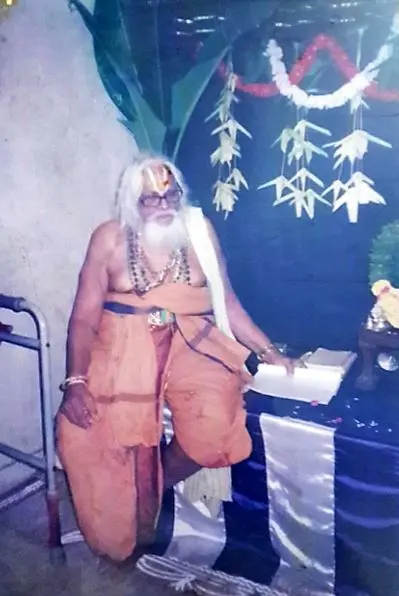
Guruji

ॐ श्री गुरुभ्यो चरणकमलाय नमः

Oṁ śrī gurubhyo caraṇakamalāya namaḥ

Paramaguruji

ॐ श्री परमगुरुभ्यो चरणकमलाय नमः

Oṁ śrī paramagurubhyo caraṇakamalāya namaḥ

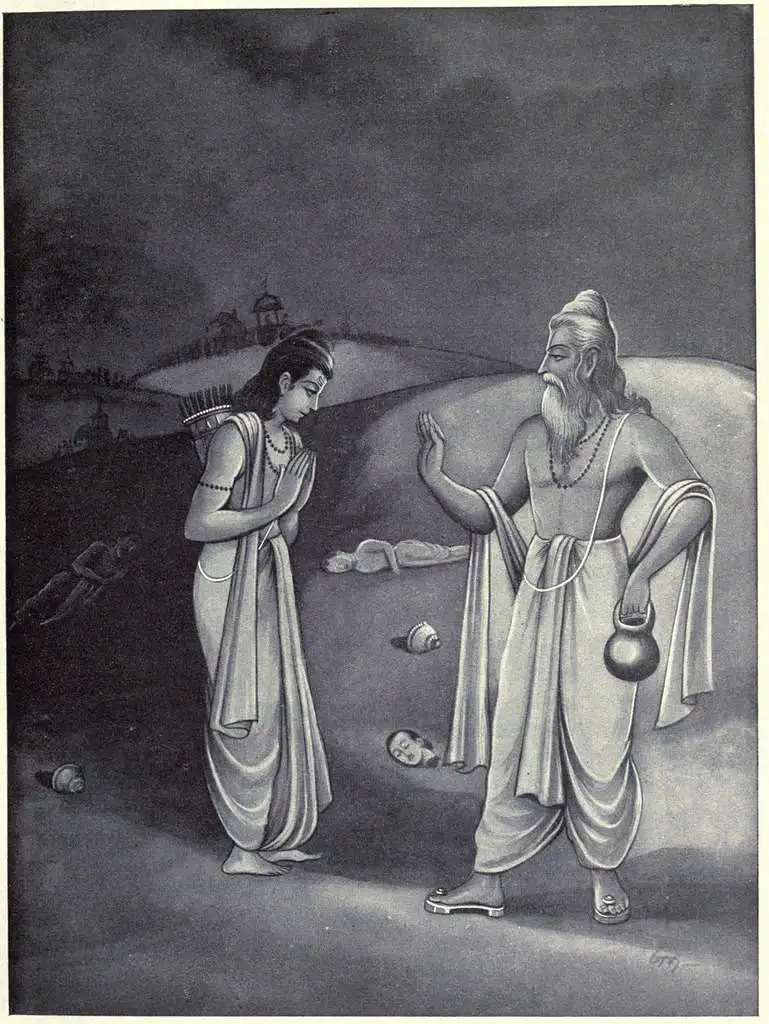
Ashvatthama

ॐ श्री अश्वत्थाम्ने नमः

Om Śrī Aśvatthāmne Namaḥ

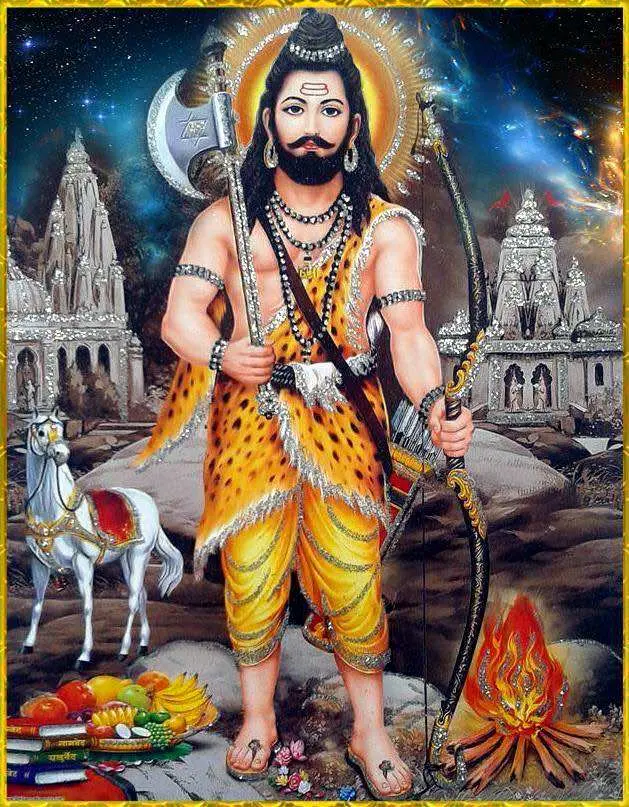
Parashurama

ॐ
क्षितिपति वंश शम्भव मूर्ते
क्षितिपति रक्षा क्षत मूर्ते
भृगुपति राम वरेण्य नमो
हरि भक्तं ते परिपालय माम् ॥

Oṁ
kṣitipati vaṁśa śambhava mūrte
kṣitipati rakṣā kṣata mūrte
bhṛgupati rāma vareṇya namo
hari bhaktam te paripālaya mām

Guru Datta

श्रीमदानन्त श्री विभूषित अप्पल लक्ष्मी नरसिंहराजा! जय विजयीभव, दिग्विजयीभव, श्रीमदखण्ड श्री विजयीभव

Śrīmadānanta Śrī Vibhūṣita Appala Lakṣmī Narasiṁharājā! Jaya Vijayībhava, Digvijayībhava, Śrīmadakhaṇḍa Śrī Vijayībhava

श्री विद्याधरी राधा सुरेखा श्रीराखिधर श्रीपदा! जय विजयीभव, दिग्विजयीभव, श्रीमदखण्ड श्री विजयीभव

Śrī Vidyādharī Rādhā Surekhā Śrīrākhidhara Śrīpadā! Jaya Vijayībhava, Digvijayībhava, Śrīmadakhaṇḍa Śrī Vijayībhava

Latest article

Ugra Tārā and the Bīja

The presence of Tārā vidyā has been ubiquitous in recent times. Essentially, this vidyā lies in the permutation of Śrī kula into a krama of its own. This happens through the manipulation of śrī at two main levels; each successive level encodes a layer of mystery into the bīja and makes it more suitable for what her nature really is. Understandably, a full scope of who she is and how her energy manifested cannot be done in a single post; but we will begin by looking at these two transformations.

The first addition is adding the ‘t-kāra’ to śrī. Any student of Hindi or Sanskrit will know this results in the word strī, meaning woman. Tārā is the essence of what a woman is; in fact, she is the most uncovered tattva of femininity we will ever see.

The second addition is the addition of the ‘m-kāra’. Now this bīja is said in the Dakṣiṇāmūrti Saṃhitā to be the kilaka of the oṃkāra; in fact, ‘oṃ’ has just been extended from ‘m’. This viniyoga shows that the m-kāra and a special 4-akṣara nyāsa code are the true oṃ syllable.

When added to the strī bīja, we get the gupta bīja of Ugra Tārā herself. This is the feminine aspect of Oṃ, the śakti of oṃkāra. This principle is why she is called Brahmavidyā and Tāriṇī, or the one who ferries through the whole creation of oṃkāra and takes one to the other side.

The essence of Ugra Tārā is not understood easily. However, there are a number of recursive clues we can use to deduce what she really is. It is said Balarāma owns or possesses fully the śakti of Ugra Tārā Devī. She is also called Jātavedas or the fire from which the Vedas are born. Another thing is to analyze the life of her greatest sādhaks, such as Janārdana Buddha or Brahmānanda Giri. But all of these will only give one clue…

To really understand the nature of this unfathomably terrible goddess, one must go back to her origins, and her connection to one of the most powerful Navagrahas to ever exist.

8 comments

  1. CuriousBoar Avatar
    CuriousBoar

    Tāra is majorly associated with jupiter. But what connections are there of both

    1. Janardana Avatar
      Janardana

      Yes, she is indeed. She was the wife of Bṛhaspati in her early days but later went with Candra and gave birth to Mercury. Jupiter represents the dharmic power of the universe and the force from ṛta in the manifested world. Candra is pure emotion or feeling, the essence of the feminine tattva. Budha or Mercury is intelligence and rational power. Tārā means “star”, in reality, she is the pervasive power of Prakṛti or physical creation, in its infinite variety.

      Think about it, humans are capable of all kinds of evil, because of the variety and sheer volume of possibilities present in the 27 nakṣatras. There is absolutely no order to them at all, however hard one may look. Human beings are the same way. The Navagrahas also pervade creation at a higher level but they are all munis. They have some dharma however it may seem. These 27 nakṣatras are sheer manifested energy in a much grosser form, and they act immediately. One who gains mahāsiddhi of Ugra Tārā has these 27 nakṣatras, which are also known to be occupied by Candra (her temporary consort for this reason) for 1-2 days.

      That is why her energy acts so quickly and manifests in the material world immediately. Faster than almost any other deity.

      1. Rasit Avatar
        Rasit

        Replying to Janardana

        Janardana ji, could you please expand on Ugra Tara and her association with the 27 Nakshatras? Does getting her grace brings by default the blessings of the Nakshatras too or are there certain rituals associated with it. Last but not least, in the physical realm, which has more direct influence on people’s life, the Nakshatras or the Navagrahas?

        1. Janardana Avatar
          Janardana

          Replying to Rasit

          Well think about it like this, is there ever a second from the moment of birth to death when one is fully free from the influence of their mind? Their mind is nothing but the moon copulating with Tara. This creates an individual budha or intelligence in each being. There are 4 padas per nakshatra remember this, that’s variety most don’t even think about. In reality each degree of a nakshatra is completely independent, beyond that even degree seconds are independent but that becomes too overwhelming for anyone who isn’t a muni.

          As for navagrahas, they themselves are considered very high beings, as such they are a bit more distant from the individual happenings on earth. But remember, the nakshatras we have are for this solar system only . They are exclusively to this system. There are more anyway, but that’s only in foreign solar constellations. Our sun is not the only sun either.

          The thing is that our navagrahas have a sense of predictability, because they are representing a tattva or a system of energy which feeds them. The nakshatras are only the intermingling of each navagraha with the 3 tattvas of sattva, rajas and tamas. That’s why there are 27 of them: 9 times 3 = 27.

      2. Sriram Avatar
        Sriram

        Replying to Janardana

        Dear Janardana, are these 2 Taras not different? the one discussed here is a Mahavidya, a form of the ultimate Sakti. Whereas, the Tara of the puranas, the wife of Brihaspati, is just a normal being.

        Similar to how I have the name Sriram, but am different from the actual Sriramachandra, is the wife of Brihaspati not different from the Mahavidya Tara?

        1. Janardana Avatar
          Janardana

          Replying to Sriram

          Brihaspati is a muni, which puts him among the highest beings in the universe below rishis. For a muni their shakti or consort will always be divine. It is not beyond their reach to even marry or create a divine goddess as their consort.

          You know, it is very simple to understand Tara and Kaulachara/Chinachara. If this whole world is brahman and created by Gods light then why doesn’t divinity descend to each and every thing? Isn’t that a reasonable question? Think logically don’t get confused by random scriptural words.

          Tara means star, she is a fragment of the infinite light of the brahman which feeds the rajas present in the whole cosmos. This light has a feminine quality in Tara because it pervades all permutations in nature rather than staying in absolute truth. It is natural she does this with Chandra who is the most luminous after the sun.

          In kaulachara one is allowed to have sex however they wish, drink , consume any meat and intoxication.

          This is because it is all present in the nakshatras which are the prakriti aspect of expanded creation, under the moon. The solar creation expands into the navagrahas the lunar creation expands into the nakshatras. This is a big secret think carefully.

  2. suresh Avatar
    suresh

    English is:
    “How to find the deity of worship (Upasana Devata) in a birth chart (horoscope) that can bring progress in a person’s material life?”

    1. Janardana Avatar
      Janardana

      That is too complex to explain in a few words but we will write an article on it

Comment